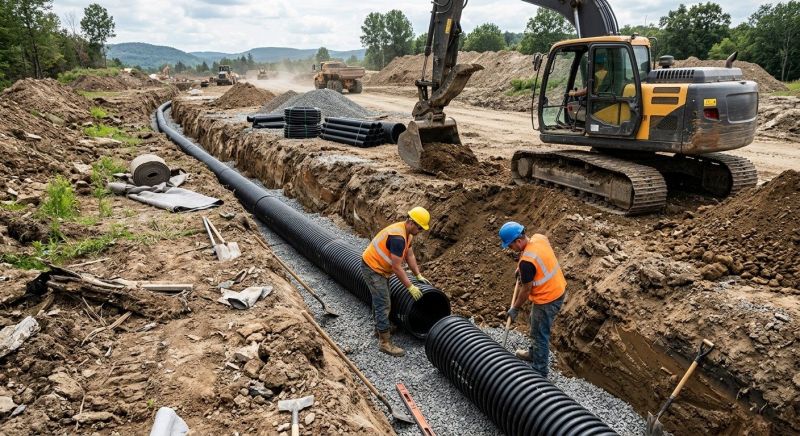
Drainage Ditch Excavation in Houston, TX
Drainage ditch excavation services involve the careful removal and shaping of soil to create effective channels for directing excess water away from residential properties. These projects typically address issues such as standing water, erosion, or poor drainage around homes, gardens, and yards. Homeowners often request this service when they notice water pooling after heavy rains, or when planning landscaping improvements that require proper water management to protect foundations and landscaping features.
Before requesting drainage ditch excavation, property owners should consider the location and extent of drainage problems, as well as any existing underground utilities or structures that might be affected. Understanding the desired outcome, such as directing water to a specific area or improving overall drainage flow, can help in planning the project effectively. Proper assessment ensures the excavation meets the property's needs and prevents future water-related issues.
Many property owners in Houston, TX look into Drainage Ditch Excavation for repairs, replacements, upgrades, and appearance-related improvements.
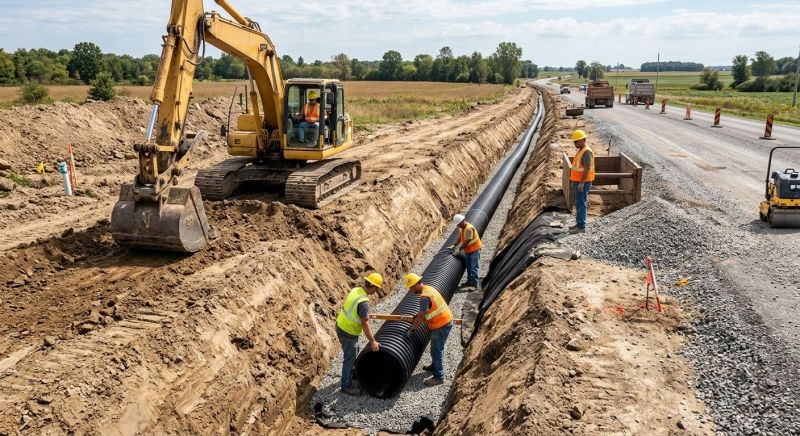
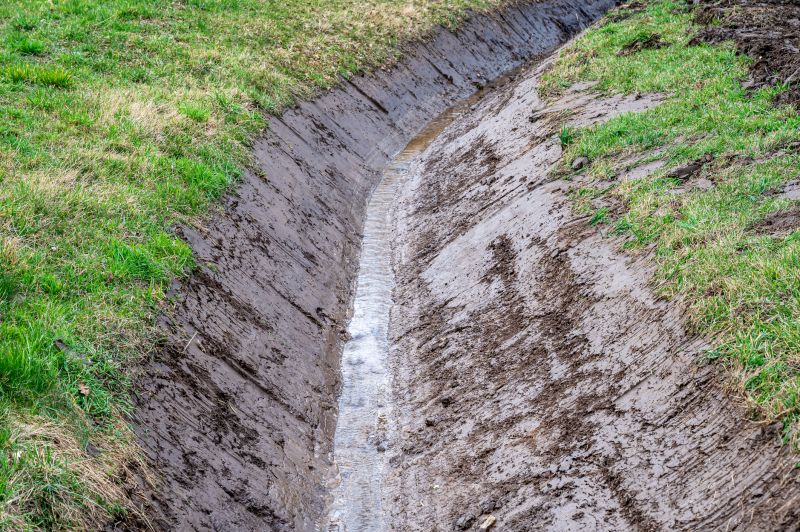
Drainage Ditch Design
Proper planning ensures effective water flow and prevents flooding around houston properties.
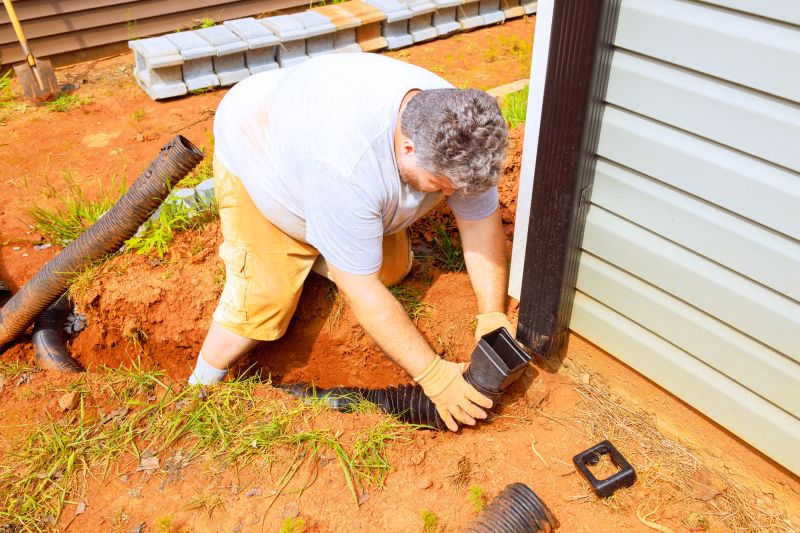
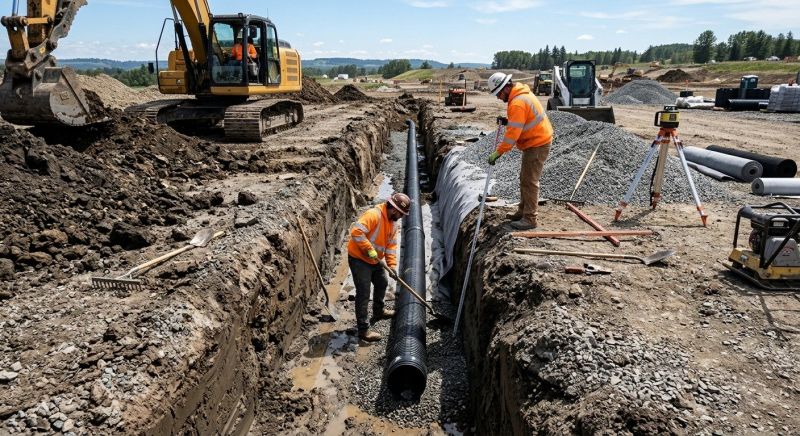
Excavation Techniques
Specialized excavation methods create reliable drainage channels tailored to your landscape.
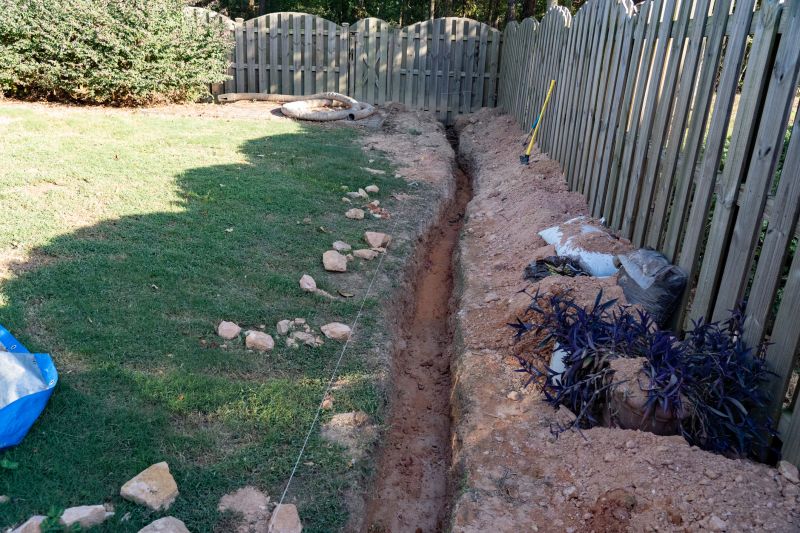
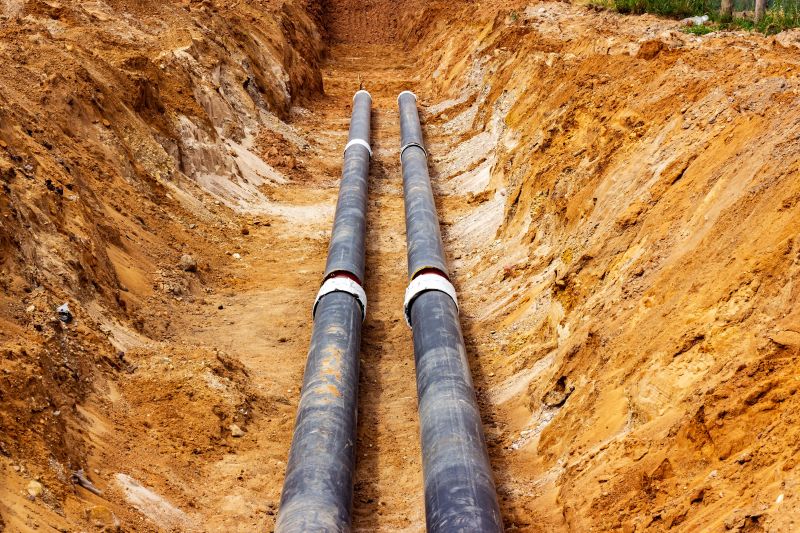
Maintenance And Repair
Regular upkeep helps maintain optimal drainage and avoids costly water damage on your property.
Drainage Ditch Excavation in Houston, TX

Drainage ditch excavation services involve the careful removal and shaping of soil to create effective channels for directing excess water away from residential properties. These projects typically address issues such as standing water, erosion, or poor drainage around homes, gardens, and yards. Homeowners often request this service when they notice water pooling after heavy rains, or when planning landscaping improvements that require proper water management to protect foundations and landscaping features.
Before requesting drainage ditch excavation, property owners should consider the location and extent of drainage problems, as well as any existing underground utilities or structures that might be affected. Understanding the desired outcome, such as directing water to a specific area or improving overall drainage flow, can help in planning the project effectively. Proper assessment ensures the excavation meets the property's needs and prevents future water-related issues.
Many property owners in Houston, TX look into Drainage Ditch Excavation for repairs, replacements, upgrades, and appearance-related improvements.
Common Drainage Ditch Excavation Jobs
Drainage ditch excavation involves creating channels to direct excess water away from properties.
Stormwater management helps prevent flooding by improving water flow on residential properties.
Erosion control reduces soil loss and protects landscaping through proper ditch installation.
Yard drainage solutions improve water runoff and protect foundations from water damage.
Property grading ensures proper slope to facilitate effective drainage away from structures.
Water diversion channels are designed to redirect runoff and reduce pooling on lawns.
Drainage Ditch Excavation Questions
What is drainage ditch excavation? It involves digging trenches to redirect excess water away from a property, helping prevent flooding and erosion.
When is drainage ditch excavation needed? It is typically required when standing water or flooding occurs after heavy rains or poor drainage systems.
What types of projects require drainage ditch excavation? Projects include installing new drainage channels, improving existing systems, or managing water flow around foundations and landscaping.
How does drainage ditch excavation benefit property owners? It helps protect structures, reduces water pooling, and maintains proper land grading for better water management.
Request Drainage Ditch Excavation in Houston, TX
Use the quote form on this page to share the basics of your project and request more information for the type of work you need.